
Hair loss can be a tough journey for many. It affects self-esteem, confidence, and even social interactions. Whether it’s thinning strands or bald patches, the impact is real. With countless products and solutions flooding the market, it’s easy to feel overwhelmed about where to turn.
But understanding the science behind hair restoration can empower you in your choice of treatment. This blog will take you through everything you need to know about hair loss—from its causes to innovative restoration techniques that could bring back your luscious locks. Ready to dive into this fascinating topic? Let’s explore!
The Basics of Hair Loss
Hair loss is a common condition that affects millions worldwide. It can occur gradually or suddenly, impacting people of all ages and genders. Understanding its basics sets the foundation for exploring solutions from follicleclinics.com.au.
The most typical form is androgenetic alopecia, often referred to as male or female pattern baldness. This type usually follows a predictable pattern and results from genetic factors combined with hormonal changes.
Other forms include telogen effluvium, which leads to temporary shedding due to stress, illness, or hormonal shifts. Alopecia areata presents differently by causing round patches of hair loss due to an autoimmune response.
Regardless of the type, hair loss can have psychological effects on individuals. Recognizing these aspects helps in addressing not just the physical but also emotional impacts associated with losing hair.
Causes of Hair Loss
Hair loss can stem from various factors, both genetic and environmental. Genetics plays a significant role, especially in conditions like androgenetic alopecia. This hereditary pattern often leads to gradual thinning and bald spots.
Hormonal changes also contribute significantly to hair loss. Fluctuations due to pregnancy, menopause, or thyroid issues can disrupt the hair growth cycle.
Stress is another common culprit. Physical or emotional stress may trigger temporary shedding known as telogen effluvium. This condition usually resolves once the stressor is addressed.
Nutritional deficiencies shouldn’t be overlooked either. Lack of essential vitamins and minerals can weaken hair follicles and lead to breakage.
Certain medical conditions such as autoimmune diseases may cause the body to attack its own hair follicles, resulting in patchy hair loss known as alopecia areata. Understanding these causes helps pave the way for effective treatments tailored to individual needs.
Traditional Solutions for Hair Loss
For many, the journey to combat hair loss begins with traditional solutions. These methods have stood the test of time and continue to be popular choices.
Minoxidil is one such option. This topical treatment stimulates blood flow to hair follicles, promoting growth in both men and women. It’s readily available over-the-counter, making it accessible for those seeking quick results.
Then there’s finasteride, a prescription medication that works by inhibiting hormones responsible for hair thinning. While effective for some, it’s important to note potential side effects.
Wigs and hairpieces offer an immediate solution as well. They provide versatility in style without the commitment of surgical procedures.
Natural remedies like essential oils and herbal treatments are gaining traction too. Many believe they can nourish the scalp and encourage growth without synthetic chemicals involved.
Each approach has its own set of benefits and challenges, catering to different preferences and needs among individuals facing hair loss.
Introducing Hair Restoration: How it Works
Hair restoration is an innovative approach designed to combat hair loss effectively. It involves a range of techniques that aim to stimulate natural hair growth or replace lost hair.
At the core of many procedures is the science of follicle health. Hair follicles can be revived through various methods, promoting stronger and thicker strands. This process often relies on harnessing the body’s own healing mechanisms.
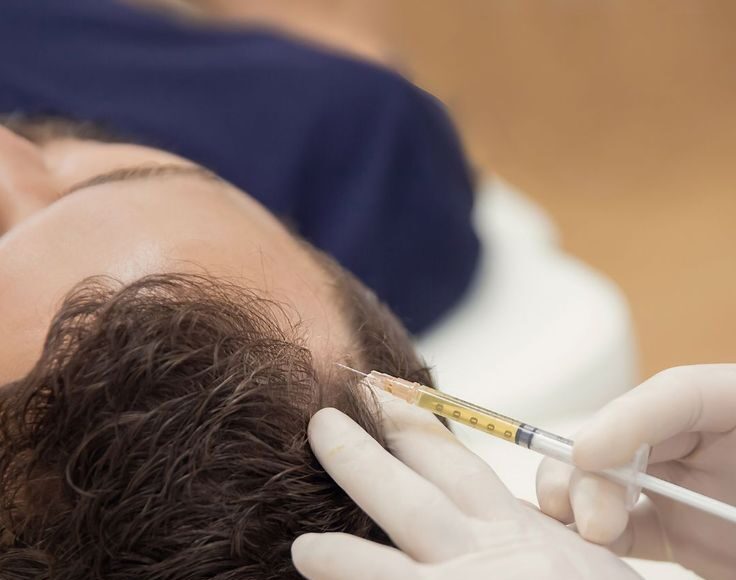
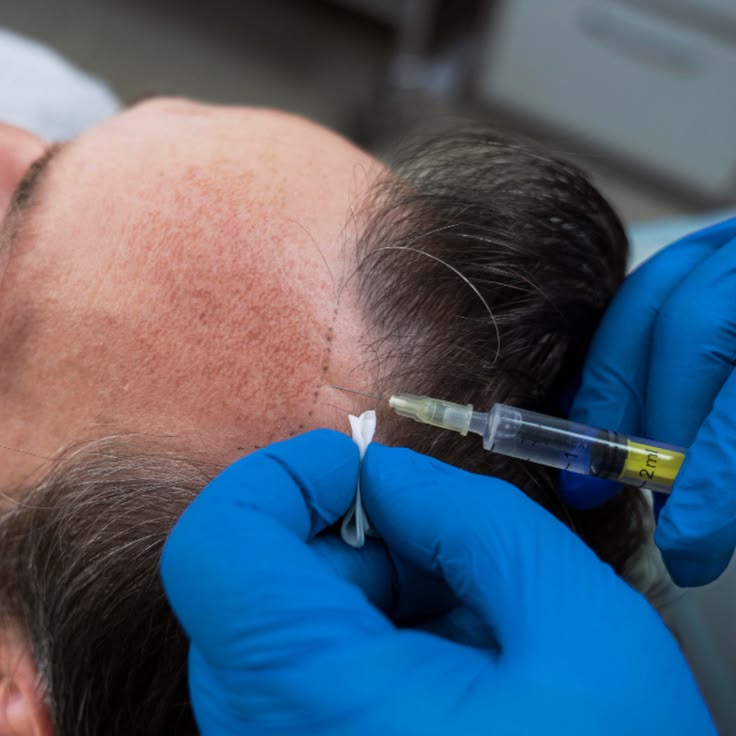
Some treatments utilize advanced technologies like laser therapy, which enhances blood flow to the scalp, creating a more conducive environment for regrowth. Others may involve injecting growth factors directly into areas experiencing thinning.
Additionally, surgical options offer permanent solutions by relocating healthy follicles from dense regions to balding spots. Each method has unique benefits tailored to individual needs and conditions, giving patients multiple pathways toward fuller hair.
Types of Hair Restoration Procedures
When it comes to hair restoration, there are several effective procedures available. Each option caters to different needs and conditions.
Follicular Unit Extraction (FUE) is one of the most popular methods. This technique involves extracting individual hair follicles from a donor area and transplanting them into thinning or balding spots. The recovery time is usually quick, and scarring is minimal.
Another common procedure is Follicular Unit Transplantation (FUT). In this method, a strip of scalp with healthy hair is removed and divided into smaller follicular units for transplantation. While it may leave a linear scar, it’s often more suitable for larger areas of coverage.
For those seeking non-surgical options, Platelet-Rich Plasma (PRP) therapy has gained traction recently. This treatment utilizes your blood’s growth factors to stimulate dormant hair follicles. PRP can improve thickness and promote new growth over time.
Laser therapy also offers promising results for some individuals experiencing hair loss. Low-level laser devices work by stimulating circulation in the scalp, enhancing cellular function around existing follicles.
Topical treatments like minoxidil are widely used as everyday solutions alongside professional interventions. These products help prolong the life cycle of existing hairs while encouraging regrowth in thinning areas.
With various methods at their disposal, individuals facing hair loss have exciting options to consider tailored to their specific situation. Exploring these choices can lead to renewed confidence and satisfaction with one’s appearance.