
Seat belts are the single most important safety component in any vehicle, and they are also one of the most commonly damaged or degraded over a car’s lifetime. Whether through age, a minor collision, UV exposure or mechanical failure of the retractor mechanism, a seat belt that doesn’t function correctly is a safety risk that shouldn’t be ignored. Restoring the safety performance the manufacturer designed the vehicle to deliver is a direct path to protecting everyone in the car, without relying on aftermarket workarounds that may not meet the original specification.
Types of Seat Belt Issues That Require Replacement
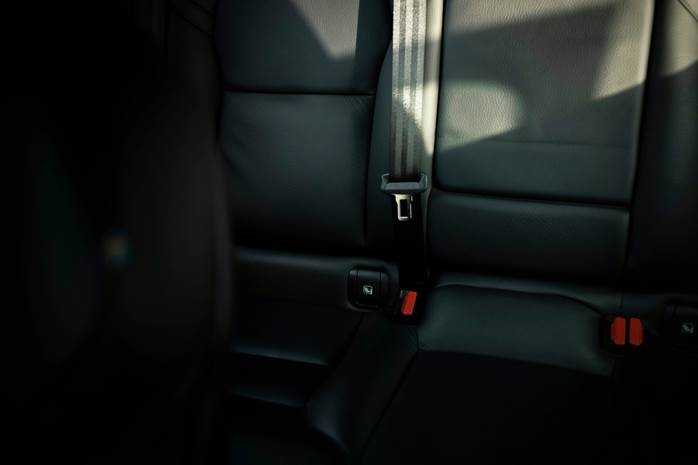
Seat belt replacements become necessary across a range of failure modes, not just when the webbing itself is visibly damaged. Retractor failure, where the belt no longer retracts smoothly or locks correctly under load, is one of the most common reasons for replacement, since a retractor that fails to lock in an emergency provides no protection in a collision. Webbing damage including cuts, fraying, severe fading or stiffness from age or chemical contamination compromises the tensile strength of the belt and makes replacement necessary regardless of whether the retractor is still functioning. Buckle failure, where the buckle doesn’t latch or release reliably, creates both a safety hazard and a practical inconvenience that affects every journey. In vehicles that have been involved in a collision, the pre-tensioner mechanism is typically triggered and cannot be reset, requiring the full seat belt assembly to be replaced before the vehicle is returned to service.
How Seat Belt Replacements Are Sourced and Fitted
Sourcing seat belt replacements for a specific vehicle requires matching the replacement to the make, model, year and seat position, since the geometry, mounting points and retractor specifications differ between vehicles and seat positions. Genuine or OEM-equivalent replacement assemblies ensure that the webbing, retractor, pre-tensioner and buckle all meet the performance specification the vehicle was designed around. Fitting is a straightforward task for an experienced technician, involving removal of the trim panels to access the mounting hardware, disconnecting the old assembly and securing the new one to the manufacturer’s specified torque values. Ensuring the replacement is correctly installed and that all mounting points are secure is essential, since a poorly fitted seat belt that pulls free from its anchor in a collision provides no meaningful protection.
Why Genuine Replacements Matter
The temptation to repair or refurbish a damaged seat belt rather than replace the full assembly is understandable, but it carries risks that are disproportionate to any potential saving. Seat belt webbing that has been subjected to the forces of a collision, even a relatively minor one, may be weakened in ways that aren’t visible to the eye, making its performance in a subsequent collision unpredictable. Only a genuine replacement assembly that has been manufactured and tested to the original specification can restore the vehicle’s safety performance reliably. For vehicle owners, ensuring that replacements are sourced from a reputable supplier and fitted correctly is one of the most important maintenance decisions they will make for the safety of themselves and their passengers.