
Ninety-one per cent of Australian adults spent some time engaging in free time activities on their diary day during the 2024 Time Use Survey by the ABS. Men spend an average of 5 hours 48 minutes in free time activities on their diary days, and women an average of 5 hours 21 minutes. What people do in that time is extremely varied, ranging from sports to computer screens to oversleeping. Learning to crochet requires very little time from these hours, and ideally, should be done in short sessions. The first ten hours are always the most difficult, but having some idea of what to expect in every hour will make them a lot easier.
The Time Before the First Hour: Selecting Suitable Equipment
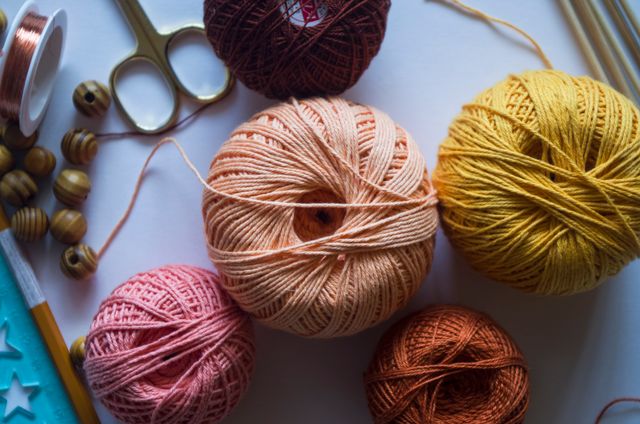
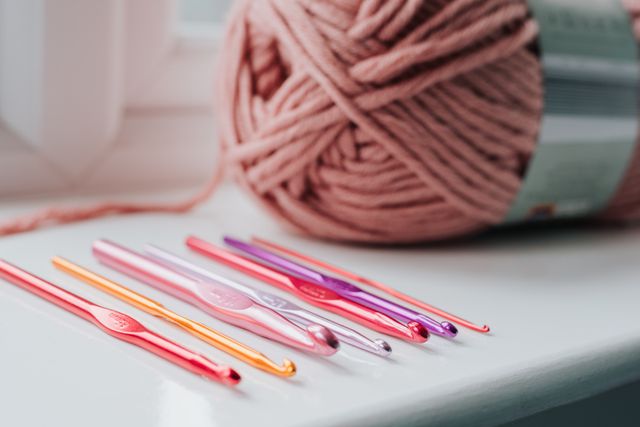
Bright and thin yarn makes all stitches visible, whereas dark or furry yarn conceals errors. Fast yarns like chunky or worsted allow you to see results quickly, and natural yarn is comfortable and forgiving of poor tensioning. A suitable size of the hook and a comfortable grip will prevent problems too. A beginner’s crochet kit Australia sellers offer makes choosing these supplies easier, provided that its skill level is indeed suitable for a beginner. Since beginner, intermediate and other terms differ greatly among sellers, a list of stitches included is more important than the term.
The First Hour: The Clumsy Beginning
Hands that constantly type and swipe do not usually know how to hold a hook properly. Slip knots get undone, loops fall and yarn easily gets entangled. Any person who crochets now was clumsy at first, even if she had already forgotten about that period. In the first hour it is enough to make a slip knot and to create a chain of stitches. The uneven first chain is already a success.
Hours 2 & 3: Finding a Good Rhythm
Tension, how tightly the yarn is held, tends to settle in over days rather than just minutes. Doing short sessions of knitting each day, 15 to 20 minutes at a time, usually builds muscle memory a lot faster than one long, frustrating evening spent trying to get it all done. Just working on a basic stitch, back and forth on a small swatch, is plenty to get started with at this point. If your rows are getting wider or narrower, that’s usually a sign you’ve missed or added a stitch somewhere. Counting your stitches at the end of each row is a great way to catch mistakes like that early on.
Hours 4 & 5: Reading Patterns Without Getting Confused
Patterns use abbreviations, and let’s face it, the first page can look like a secret code. And for Australian crafters, it’s also worth noting that most patterns come from either the UK or the US, so you need to watch out for differences in terminology. In the UK, a double crochet is the same as a US single crochet, for example. If you check which terms your pattern uses before you start, you’ll save yourself a lot of confusion and hours of re-working later on. Rows pretty much just go back and forth, while rounds spiral out from the centre; confusing the two will warp your project’s shape. Adding some stitch markers can be a lifesaver when you’re trying to keep track of which round you are on, especially when it starts to get confusing.
Hours 6 & 7: Your First Real Project
A coaster or a small square are both great ideas for a first project, because they teach you the basics of chaining, turning, and getting your edges nice and neat. A simple scarf is a good next step, because you’ll be repeating the same row over and over, which helps you get a feel for rhythm and steady tension. How long any of these projects takes will depend on what yarn and pattern you’re using, and how fast you work. Don’t be afraid to repeat a simple project a few times; you’ll learn more from that than you will from rushing into something harder.
Hours 8 to 10: Fixing Mistakes & Finishing Up
Most mistakes fall into one of three categories: a missed stitch, an extra stitch or a twisted stitch. If you catch a mistake a few rows back, it’s usually best to rip it back to the point before the mistake. On the other hand, if you spot a small flaw weeks later, you might be able to just live with it and accept it as part of the finished piece.
Keeping the Habit Going
Having a project bag sitting by the couch makes it easy to grab everything you need and get going. Even just a few minutes here and there adds up; a 10-minute break during an ad, or the 10 minutes it takes to knit a few rows on the train on your way home, those all add up across a week. Podcasts and audiobooks are great to listen to while you’re knitting, once you get to the point where a stitch is just second nature. Keeping a tally of how many rows you’ve done helps you see your progress even on slower weeks.
Kits or Loose Supplies?
If you’re buying a gift or feeling a bit nervous about getting going, a kit is a great way to go, because everything you need is all in one place and you know you’ve got everything you need. But if you’re someone who’s already found their groove, you might prefer to go with loose supplies; just pick your yarn and your hook and go. And if you’re new to the game, check and see if there’s a beginner’s class running at your local library or craft shop, or even just try out a session to see if you like it. Whatever route you go, the first 10 hours of knitting are really more about just getting the hang of it, and less about making perfect stitches.