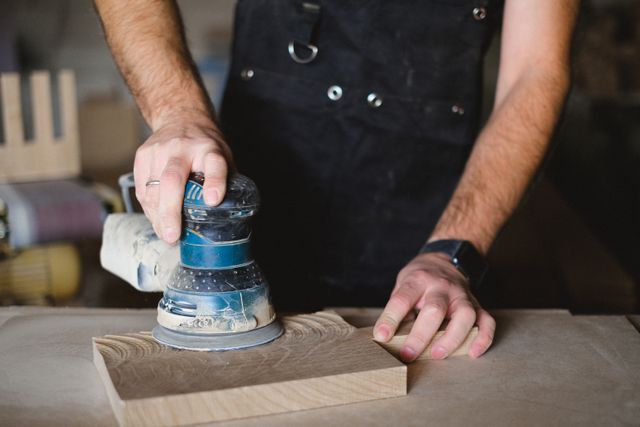

From 1 December 2026, the Australian limits on how much softwood dust is allowed in the air will be falling right off a cliff, from 5 to a mere 2 milligrams per cubic metre over an 8-hour period. And that’s a 60% cut, so it’s no small potatoes. Now, lots of Aussie homes have got old pine floors and sanding them up sends all sorts of fine dust into the air, usually the minute you start the job. Floor sanders Singleton and all the householders who hire them are going to have to get their heads around what that means for their work.
So What Exactly Is Changing?
The current workplace exposure limits are still hanging on until November 30th 2026, but from 1 December, a whole new list of limits is being rolled out. Safe Work Australia’s comparison shows just how much the softwood dust limit has been cut, a 10 milligram short-term limit has just been erased from the picture. Now, it’s worth noting that the 60% cut only applies to softwood. Old pine floors are made from softwood, but other timbers will be under different rules.
Why Does Sanding Always Create So Much Dust?
Drum sanders are great at ripping off old finishes and timber fast, but they also send up all sorts of tiny particles into the air which just hang around even after the machine has stopped. Guidelines around dust say you should make sure your tools have proper ventilation and dust bags to collect all that dust at the source. For householders, dust is just a cleaning problem. But for workers, breathing it in over a few hours is a serious workplace health risk. Professional sanding crews really should treat dust extraction as part of the basic kit.
The Right Order For Sanding Grits
Sanding floors is usually a multi-stage process. You do the coarse grit to get rid of the old coating and level the boards, then the medium and fine grits to smooth out the scratches. You can’t skip a grit stage or you’ll be left with scratches hidden away until the sun hits the floor at just the right angle, or you’ll end up with a shallow dip. Stopping the drum sander even for a minute can also leave a noticeable mark, and that’ll be really hard to get out with just a polish.
What’s Lurking in Old Floorboards?
When you uncover old timber floors that have been hidden under carpet or vinyl you often find out it needs a lot more work than you thought. Nail heads are sticking out, there’s been decades of dirt in the gaps, and previous repairs can leave patches that are totally out of sync. And it’s not just that some boards have been sanded before. That means less timber available for the next sanding job. You can end up with boards that are so thin, all you can do is give them a light sand and a fresh coat, that’s a safer bet than going back to bare timber.
Questions to Consider Before Accepting a Quote
The price by the square metre doesn’t answer the questions regarding how the sanding process will be carried out. Inquire from your contractor for information concerning the nature of the task and the machines involved.
- What methods will you use to manage dust in the process? Do edgers and cornering tools also have dust extraction mechanisms?
- Does your crew undertake sealing and covering of vents, doorways and fixed furniture?
- What problems can be sorted using sanding, and what other problems will stay including deep stains and cupped boards?
- What type of coating will be used? How many days will be required to dry, re-coat, have light foot traffic and fully cure?
The last question is crucial after you have had the sanding done. Drying, re-coating, light foot traffic and cure time are four stages whose timing varies depending on the kind of material you choose. The correct timing will be indicated in the technical data sheet of the product. A professional crew should be in position to tell you before the process starts.
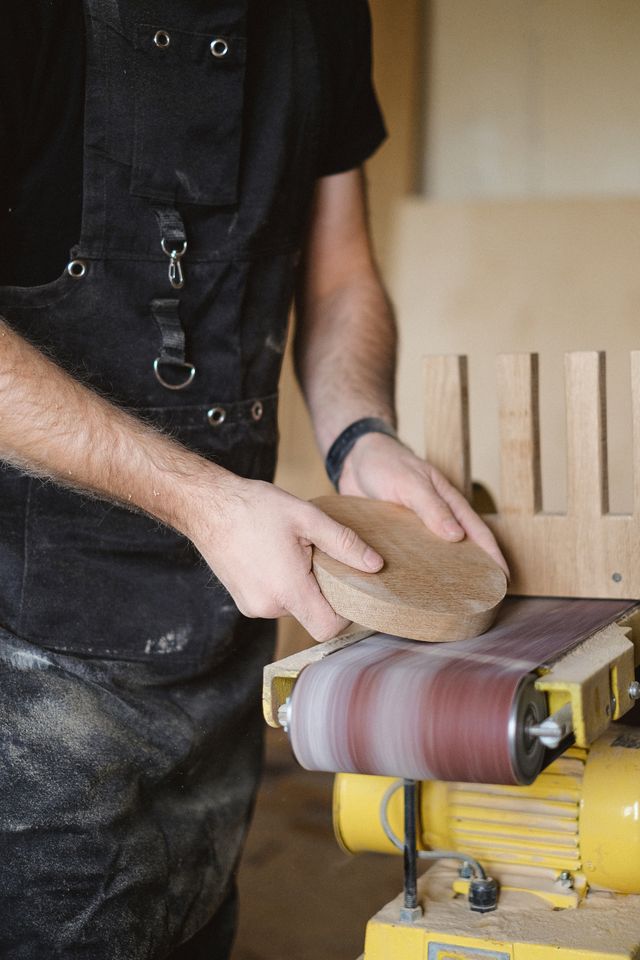
After the Sanding Machines are Removed
Some small maintenance practices can keep the finish safe. Felt pads underneath chairs, mats at entrances and a soft mop minimise the amount of sand particles that scratch the surface. Sand particles brought inside through shoes cause more damage than pets do. Inspect the floor once every year. Dulling of the floor in the pathways and areas near the board edges shows that it needs re-coating. Handling these situations early can mean that the floor requires light recoating only. This is the best way to protect the timber from damage too. It can remain unscathed for decades to come.