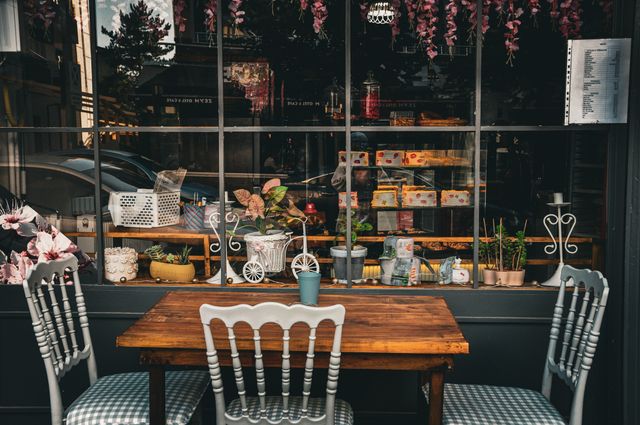

Consider how a successful outdoor dining space can be created within a Melbourne cafe precinct. It will probably have very little to do with menu boards or the colours of the interiors as seen from the street. Instead, it will have a lot more to do with the outdoor environment, such as the stacking of chairs after a busy period, the feel of the timber table surfaces as the afternoon sun bounces off them, the strength of the frames when one of them is sat on. The statement being made to the market is a tangible one, and the furniture behind it supports that statement or subtly weakens it over time.
A Dining Culture Designed to Stay
The Outdoor Dining Permits scheme of the City of Melbourne, which increased considerably in the early 2020s, is an enduring facet of Melbourne’s hospitality operations. Individual establishments acquire permits to operate in footpath environments, parklets, and laneways, and these permits have established a constant expectation of customers that outdoor seating will be offered. Investing in quality outdoor furniture Melbourne ensures the commercial furniture does the same throughout each season and service period of each year.
What Melbourne’s Climate Puts Furniture Through?
The real practical challenge for outdoor furniture in Melbourne is its exposure to such a wide variety of conditions. Summer UV beats down, and you can bet the rain and cold of winter will follow it up with a good soaking; then in August a sharp southerly wind will come through and you would be lucky if you even felt warm in your jacket. Unusual weather events, no, make that fairly routine ones, these are the conditions your furniture has to put up with 24/7. Any material or finish that doesn’t take this variation into account is going to start showing some pretty obvious signs of wear after just a couple of seasons of continuous outdoor use, particularly if it’s being used commercially.
Powder-coated steel is pretty much the default for outdoor frames because that coating it gets, electrostatically applied and then heat-cured, is just so much more durable in the great outdoors than a painted steel finish. And it’s not just a matter of it looking nicer; rust resistance, UV stability and chip resistance all take a pretty marked step upwards. And timber, well, timber tops will certainly add warmth and texture to your outdoor space, but you can’t just slap on any old finish and expect it to stay looking good. You need to get something specifically designed for use in a wet winter climate; a standard residential finish just won’t cut it.
Furniture left out on a footpath is going to get hit with a whole lot more environmental stress than something tucked away in a sheltered beer garden or courtyard. This is something you should bear in mind before you even place that order, not after the first signs of wear start to appear. The City of Melbourne outlines the permit conditions that govern how outdoor settings must be maintained across Melbourne’s footpath and parklet environments.
Commercial Is Its Own Category
One thing that consistently trips up hospitality venues when they’re ordering outdoor furniture is they treat it, or at least they try to, as if it’s just a big residential buy. But outdoor furniture for a commercial setting is going to get thrown around, hosed down, sat in one after another and shifted from pillar to post by staff who’re juggling too many things at once. That’s going to put all sorts of demands on the load-bearing joints, the frame, and the coating at high-wear edges, none of which your run-of-the-mill domestically rated furniture was ever designed to meet.
Stackability, this is more than just a matter of looks. It’s a way of ensuring that at the end of a busy night, you can clear the lot and get it all reset and ready for the next day. Any setting that can’t get that right is going to be a headache to deal with.
Surface finishes on commercial pieces need to hold up to regular cleaning chemicals and all sorts of food and oil spills, not just the weather. And this is something that rarely gets a look in when writing specs for domestic products, but it makes a heck of a difference in a busy hospitality environment.
Custom Sizing and Visual Identity
Melbourne’s outdoor dining rules have pretty strict footprint requirements, and the standard furniture catalogues just won’t fit in most cases without forcing some pretty uncomfortable clearances. Custom-sized tables will get you to maximise your seating area and squeeze in a few more seats where you want them, without leaving your guests feeling like they’re in a squeeze.
And it goes without saying that matching up frame colours, timber tones and barrier systems across an entire outdoor section makes for a real cohesive look that guests will pick up on even if they can’t quite put their finger on why it works.
What Durability Actually Looks Like?
Warranty terms should actually say what you get covered for and under what conditions. Some vague workmanship clause is great for lawyers and useless to anyone actually trying to get a problem sorted out. The only real test of how a product performs is to take a look at one that’s been out in the field for 12 months; it’s the only way to know if it can really hack it.