

Life is a journey, and along the way, comfort and protection become essential companions. As we navigate through various stages of adulthood, our needs evolve. Whether it’s managing daily stress or addressing health concerns, finding the right support can make all the difference.
Many adults often overlook their own comfort while juggling responsibilities. However, prioritizing your well-being isn’t just a luxury; it’s a necessity. In this guide, we’ll explore how to embrace comfort and secure protection in every day life—allowing you to move confidently through your routines without worry or discomfort. Let’s dive into what you need to know!
Understanding the Need for Comfort and Protection
Comfort and protection are essential for adults at various stages of life. As we age or face health challenges, our needs evolve. Daily activities can become daunting without the right support.
Many adults experience discomfort due to incontinence, mobility issues, or other conditions that require special attention. It’s crucial to address these concerns with products designed for comfort while ensuring dignity remains intact.
The importance of feeling secure cannot be overstated. When individuals have access to protective solutions such as adult nappies, they can engage more freely in social situations and hobbies without fear of embarrassment.
Moreover, understanding one’s body is vital. Each person has unique requirements that dictate their choice of products. A personalized approach not only enhances comfort but also fosters a sense of confidence in daily life experiences.
Types of Products Available for Comfort and Protection
When it comes to comfort and protection for adults, a variety of products cater to different needs. Adult diapers are among the most popular options. They provide reliable absorbency and allow for mobility without compromising dignity.
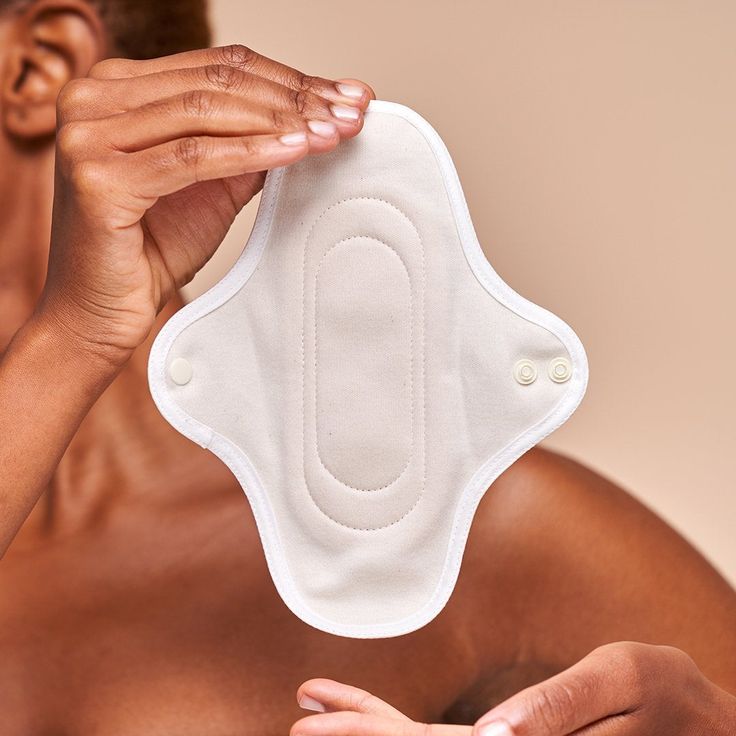
For those seeking discreet support, bladder pads offer a slim alternative. These can be easily worn with regular underwear, providing peace of mind during daily activities.
Protective bedding is another essential item. Waterproof mattress covers and absorbent bed pads ensure your sleeping environment remains clean and comfortable.
In addition to these basics, specialized clothing like moisture-wicking fabrics can enhance comfort by keeping skin dry throughout the day.
There are skincare products designed specifically for sensitive areas affected by incontinence. These creams help prevent irritation while promoting overall skin health—an often overlooked aspect of adult care.
How to Choose the Right Products
Choosing the right products for comfort and protection can feel overwhelming. Start by identifying your specific needs. Consider factors like lifestyle, activity level, and any medical advice you may have received.
Next, evaluate materials. Look for breathable fabrics that offer softness against the skin. Comfort is paramount; a product that feels good will encourage regular use.
Size matters too. Products come in various sizes to ensure the best fit. Proper sizing not only enhances comfort but also maximizes effectiveness.
Don’t forget to read reviews or seek recommendations from trusted sources. Real experiences can provide valuable insights into how well a product performs.
Consider price but don’t compromise on quality. Investing in reliable products pays off in terms of both comfort and peace of mind through daily life challenges.
Addressing Stigma Surrounding Adult Incontinence
Addressing the stigma surrounding adult incontinence is crucial for fostering understanding and acceptance. Many adults may feel embarrassed or ashamed when discussing their experiences, often leading to isolation. This stigma can prevent individuals from seeking help or using products that could significantly enhance their quality of life.
It’s essential to recognize that incontinence affects millions of people worldwide, regardless of age or gender. Open conversations about this topic can help normalize it and encourage those affected to share their stories. Education plays a vital role here; by informing others about the causes and solutions, we can dispel myths and misunderstandings.
Support groups offer safe spaces where individuals can discuss their challenges without fear of judgment. These communities provide comfort and solidarity while empowering members to embrace available options confidently.
Empathy is key—understanding that anyone could face similar issues fosters compassion rather than ridicule. By addressing these stigmas head-on, we create an environment where everyone feels comfortable seeking support for comfort and protection needs as they navigate through life’s challenges with dignity.