
That first run after a long break can be surprisingly encouraging. Breathing settles, the legs remember the rhythm the motivation rises quickly. That good start can sometimes lead to repeat the same distance too soon, add hills or chase an old pace before the feet and lower limbs have rebuilt their tolerance for repeated impact.
Fitness and tissue capacity do not always recover at the same rate. While the structures involved in running have had little recent exposure, perhaps someone has maintained cardiovascular health through cycling, gym work or swimming. A thoughtful return respects that difference and treats early sessions as information, not a test of character.
Discover What Your Body Can Do Today
A Podiatrist Richmond assessment can be useful if a runner is dealing with persistent foot discomfort, has a history of repeated problems or doesn’t know how to get back into it. In the discussion you can look at current symptoms, past training, footwear, running surface and the weekly activities that already load the legs.
No need for the baseline to be impressive. Begin with a comfortable walk, a series of short jog intervals or a small continuous run. What matters is how you respond in the session and the following day, not whether the session matches a previous personal best.
Choose a Progression That Can Be Observed
It makes it easier to interpret the body’s response by changing one variable at a time. A runner might first add total time, then longer continuous sections, and only then speed or hills. Increasing distance, pace and frequency together may add more load than the weekly total indicates.
Rest days are part of the programme not a sign of poor commitment. They allow the runner to feel stiffness, tenderness or fatigue that might not be obvious immediately after exercise. Cross-training helps you keep up the routine without hitting the same impact pattern two days in a row.
Let Footwear Reflect the Current Runner
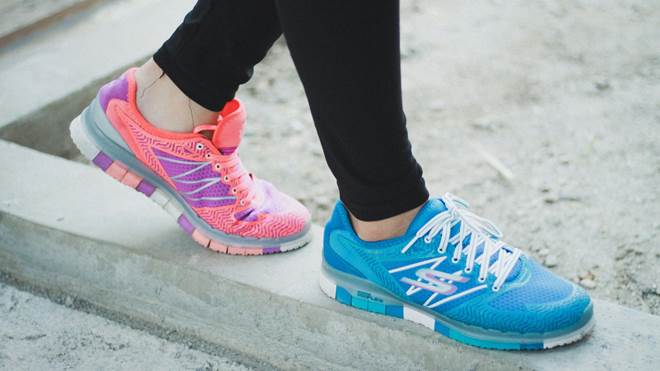
What worked for the shoe a few years ago, may not be the right fit for the person’s current body, training or route. When the upper looks damaged, wear can also change a pair you know. More helpful than simply going with the most popular model is testing fit, outsole durability, internal compression and comfort while actually moving.
Rotating suitable pairs may give variety, but buying several shoes is no substitute for sensible training. Socks, lacing and the space around the toes can also affect comfort. Small areas of pressure are better dealt with early rather than being accepted as a normal cost of returning to exercise.
Strengthen the Repeats Movements
Running makes the body deal with repeated single-leg loading. Exercises for the calf, foot, hip and balance, if properly selected, can help meet that demand. The goal is not to give you a second workout that leaves you wiped out. It is to build control and capacity in movements that help the runner absorb force and drive forward.
consistency over novelty. A constantly changing routine is harder to evaluate than a few well-chosen exercises done regularly. Not many new drills. Progress can be made through added repetitions, slower control, greater range or increase resistance.
Recognise the Signals That Warrant a Change of Plans
Normal training effort versus worrying pain is not always easy to tell apart. If the discomfort gets worse, changes your gait, lasts, recurs in the same spot, or is accompanied by swelling, it needs attention. Running through a changing pattern again may make harder to see what the original cause was.
A failed session is not a changed session. Cutting the route, going back to walk-run intervals or substituting another activity for one of the runs can sustain the momentum without the aggravation. The best return is the one that can continue over months, not the one that delivers the fastest first week.
Measure Progress by Reliability
Pace and distance are obvious numbers but reliability is a better early target. Can the runner complete the planned sessions without limping, without apprehension, without needing several days to recover? Is the routine becoming more familiar to the body? These are indications that capacity is being rebuilt.
When enthusiasm is guided by observation, running can take its place again as a source of energy, structure and enjoyment. A gradual plan doesn’t kill ambition. It sets the stage for ambition to stick, helping the runner move from an optimistic restart to a dependable habit.