

Having the practicalities sorted in advance can make a planned dental visit seem so much easier. People tend to focus on the treatment itself, and forget the smaller questions that make the day: how long they might be at the clinic, do they need someone to accompany them, what can they eat afterward, how will work or study commitments be managed. Preparation converts the unknowns into manageable decisions.
Begin with the instructions from the treating team and keep them together. If something is unclear, note it down before the appointment, rather than trying to remember it at reception. Bring a current list of medications and note any allergies, recent changes in health or any other treatments that may be relevant. Do not cease taking any prescribed medicines unless specifically advised to do so by the clinician responsible for your care.
Gather Information Before the Appointment
Check practical arrangements before going to a Moonee Ponds dental surgery appointment such as time of arrival, what you will need to do afterward to prepare for your recovery, and if you are able to drive after the planned care. This varies from procedure to procedure and person to person so follow the instructions given to you for your own procedure not your friends or a generic list on the internet.
If you are expecting recovery, prepare the house for a quieter evening. Get all the errands done well in advance, keep to simple foods that fit the instructions you’ve been given, and keep any suggested oral-care items handy. If you have children, pets or another family member to look after, arrange help early so you are not sorting out logistics when you would rather be resting.
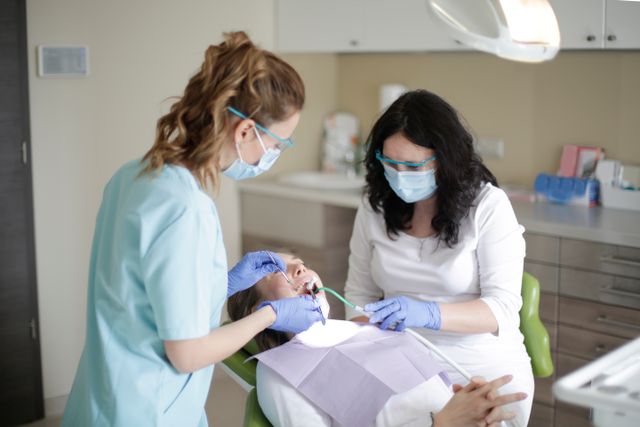
Make Room for Recovery Day
The same goes for work and study plans. A single short appointment could fit well within a normal day, while another procedure might justify keeping the schedule lighter. Don’t plan important meetings, exams, long drives or strenuous activities immediately before or after, unless your clinician has said this level of activity is OK. If the visit runs over some breathing room in the schedule takes the pressure off.
Follow written advice given after the procedure rather than improvising. Watch timing for any recommended care, keep the treated area covered as directed and know how to contact the clinic if you have questions about recovery. If you have any symptoms that concern you, especially if they are stronger, different or longer lasting than you were told to expect, you should discuss them with the treating dental team.
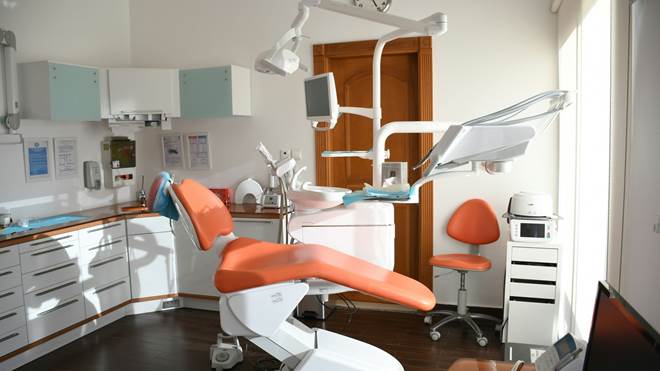
Follow the Instructions You Really Get
Preparation is not about forecasting every eventuality. It’s about removing unnecessary barriers so the focus remains on treatment and recovery. Having a confirmed plan for transport, medication information, meals, responsibilities and follow-up makes the day less rushed. With the practical pieces in place, a scheduled dental procedure is an event on the calendar rather than a disruption impacting everything around it. If you were given written after care instructions, keep them in an accessible place in your home so that another household member can help you follow the plan and not have to remember what was said at the appointment.