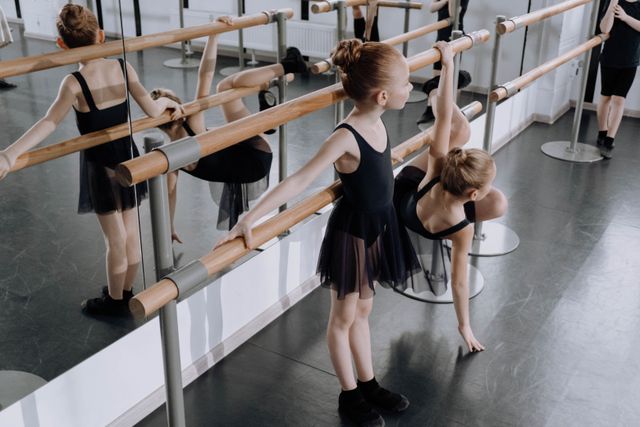

Selecting a dance academy is a critical decision if someone wants professional training in dance. The reason could be to improve their dance techniques, prepare for auditions or even pursue a career in performing.
The students at a dance academy Melbourne have various training options ranging from part-time to full-time. It is important to know what qualification is needed, the teaching method and possible careers before choosing any program.
Dancers Profession
According to the Jobs and Skills Australia profile of dancers and choreographers, there is a small number of people in this profession with 980 people employed. The median age of 26 years is younger compared to 40 years in all occupations. More than half of dancers (58.8 per cent) are part-time workers.
This information shows something about the conditions of work in this profession. Dancers often work simultaneously as performers and in other jobs, or teach.
It is important for the students who want professional training to realise that the dance career may involve several kinds of work. Performing on stage is just one option, but there are other ways to earn money through dance.
Training Programs at Dance Academies
Each dance academy offers various programs according to its pedagogical approach and the requirements of its trainees.
A full-time program implies the receipt of consistent training in technique throughout several dance styles and requires more training time per week. Part-time and casual programs can be suitable for students who need to combine their dancing training with studies or a job.
Diplomas and certificates may involve formal dance and musical theatre training. Some programs also make use of auditions to determine the suitability of candidates for a certain program.
One has to find out the content of each program and the amount of training required. The number of training hours per week, dance styles and performance opportunities can differ from academy to academy.
Audition/trial class provides candidates with an opportunity to familiarise themselves with the training atmosphere before choosing a certain academy.
Selection of a Suitable Area of Specialisation
Some of these academies may have their own focus within the field of training. Some give more weightage to classical dancing, while others specialise in commercial or contemporary performance.
This selection may determine the kind of job the student will be ready for once he graduates from there. Candidates must make sure which types of dance they teach and offer the chance to learn other kinds of dance as well.
Find out what the qualification is after completing the course, who is going to teach the courses and the experience of guest artistes.
What Happens After Graduation?
A dance career, even a pro one, doesn’t always mean one single job. Most dancers’ careers involve a mix of stage shows, teaching, commercial work, fitness classes, and choreographing for schools or events.
To be honest, working as a dancer is about more than just having great dance moves. You’ll also need to know how to manage the business side. That means dealing with invoices, promoting yourself, keeping track of schedules, and communicating with clients.
Some dance schools actually do cover this stuff as part of their training, things like audition prep, getting industry advice, and getting to know working pros.
When looking at dance schools, you want to know that the course is going to prepare you for the real world. Ask them about their record of getting students jobs, and what types of work their former students have gone on to do.
Keeping Dancing Without Breaking Your Body
Dance training can be tough on the body, so you need to be in good shape to keep going. That means you need to have some strength, flexibility and the ability to recover from all those hard classes.
To reduce the risk of getting hurt, you can use exercise to build up your strength, try out other sports to stay active, and make sure you’re getting enough rest. Your school should be taking all this into account when it comes to creating a training schedule for you.
When you do get hurt, the school should have a plan in place to help you get better again, things like physio, modified training and a safe return to classes.
You shouldn’t feel like you have to push through an injury. That’s just going to make things worse in the long run. Learning to manage your training and know your own limits is key to staying dancing for years to come.
Things to Ask When Choosing a School
When comparing schools, be careful not to take everything at face value. Promotional material can be misleading. Look for the real facts, what kind of qualification does the course give you, how many hours a week do you actually get to dance, what kind of training do you get, who your teachers are, do you need to audition, and what kind of performance opportunities are there?
Talking to former students (and asking them what they actually do, not just what they say they do) can give you a much better idea of what to expect from a school. And don’t go by general promises of ‘you’ll be a pro in no time’, look for concrete examples of what former students have actually gone on to do.
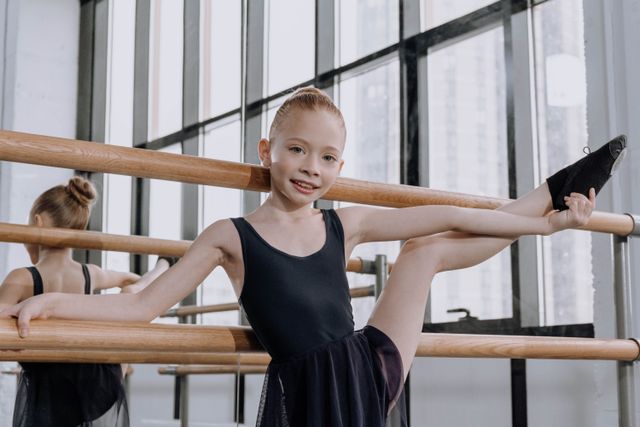
Looking to the Future Beyond the Stage
Most dancers will move on to other careers at some point, teaching, choreography, directing, or just using all the skills they’ve learned to do something completely different.
Dance training can actually give you some pretty useful transferable skills, like discipline, teamwork, attention to detail and the ability to think on your feet. These are things that are in demand in all sorts of careers, not just the performing arts.
When choosing a school, consider not just the performance opportunities, but the quality of the training and the breadth of skills you’ll gain. Knowing all this before you start will help you choose a course that really matches your ambitions.