
Moving can be an exhilarating adventure, but it also comes with its fair share of stress. One of the biggest concerns during any move is ensuring that your belongings arrive at their new home in one piece. No one wants to open a box only to find shattered glassware or scratched furniture. That’s where professional movers come into play, equipped with tried-and-true methods to safeguard your valuables throughout the process.
From utilizing specialized packing techniques for delicate items to employing strategies for loading trucks efficiently, these experts have honed their skills over countless moves. Whether you’re planning a local transition or a long-distance journey, understanding how movers prevent scratches and breakage can help you feel more confident about your own moving experience. Let’s dive into some proven methods that keep your treasures safe and sound as they embark on this journey alongside you!
The Importance of Protecting Belongings During a Move
Moving isn’t just about transporting items from one place to another. It’s about safeguarding your memories and investments. Every piece of furniture, every box of cherished keepsakes carries its own story. That’s why following a guide to safe furniture removal services is important, as it helps you understand how professionals carefully pack, handle, and transport your belongings to ensure they arrive securely and without damage.
Protecting belongings during a move helps prevent emotional distress that comes from loss or damage. It’s not just the financial aspect; it’s also the time spent accumulating these items over the years.
Moreover, in a world where trends change rapidly, some possessions might hold sentimental value that’s irreplaceable. A cracked heirloom vase or scratched dining table can create lasting regret.
Besides personal significance, ensuring everything is intact minimizes stress on moving day. When you know your valuables are secure, it allows for smoother logistics and peace of mind throughout what can otherwise be a chaotic experience. Prioritizing protection makes all the difference as you embark on this new chapter in life.
Proper Packing Techniques for Fragile Items
Packing fragile items requires careful attention and specific techniques. Start with high-quality packing materials. Bubble wrap, foam peanuts, and sturdy boxes are essential.
Wrap each item individually to provide cushioning. For glassware or ceramics, use several layers of bubble wrap. Secure it with tape to prevent unwrapping during transport.
Place heavier items at the bottom of the box and lighter ones on top. This prevents pressure that can lead to breakage.
Fill any empty spaces in the box with crumpled paper or packing peanuts. This minimizes movement during transit.
Label boxes clearly as “fragile.” It alerts everyone handling them to exercise caution.
Taking these steps will keep your delicate belongings safe throughout the moving process.
How to Safely Transport Furniture and Large Items
Transporting furniture and large items requires careful planning. Start by disassembling any pieces that can be taken apart. This not only reduces size but also minimizes the risk of damage during transit.
Use high-quality moving pads or blankets to wrap each piece securely. These protective layers absorb shocks, preventing scratches and dents on your valuables.
When lifting heavy items, always use proper technique. Bend at your knees and keep your back straight to avoid injury.
Utilize dollies for larger furniture like sofas or dressers. They make maneuvering through doorways and down stairs much easier.
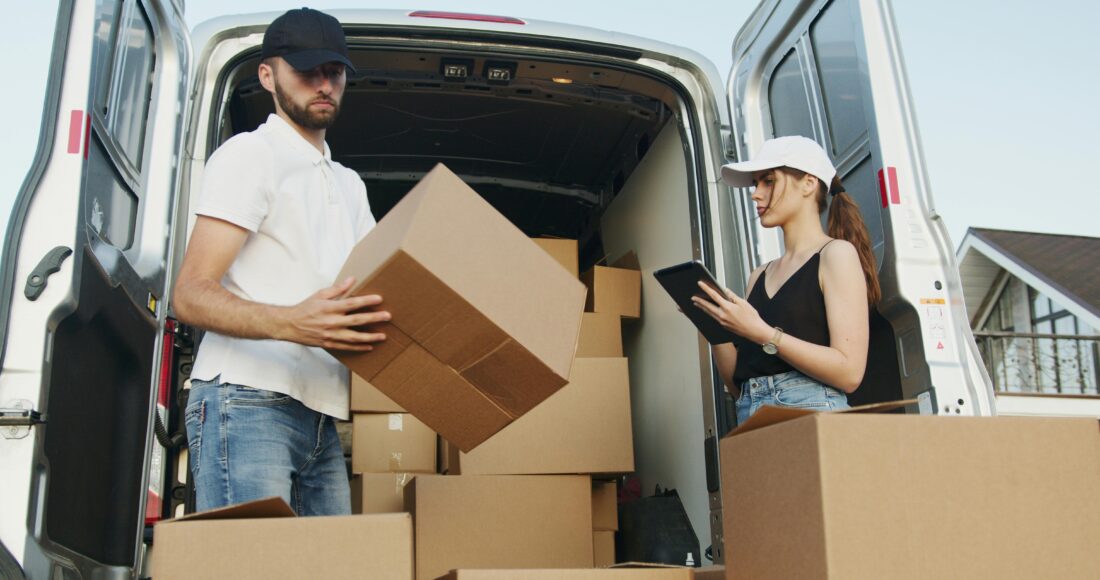
Secure items in the truck with straps or bungee cords to prevent shifting during transport. This is crucial when you hit bumps along the road.
Communicate clearly with helpers about how to navigate challenging spaces, ensuring everyone is on the same page throughout the process.
Tools and Equipment Movers Use to Prevent Damage
Movers rely on specialized tools to safeguard your belongings. These instruments are designed for efficiency and protection, ensuring items arrive undamaged.
Furniture blankets are a mover’s best friend. They wrap around delicate surfaces, cushioning against bumps. The thick fabric absorbs shock during transit.
Bubble wrap is another essential item. It’s perfect for fragile glassware and ceramics. Wrapping these in bubble wrap adds an extra layer of security that prevents breakage.
Dollies and hand trucks streamline the moving process. These wheeled devices reduce strain while transporting heavy objects. With sturdy straps, they also keep items secure during movement.
Packing tape might seem simple but plays a crucial role too. It seals boxes tightly, preventing contents from shifting or falling out en route.
Each tool serves a specific purpose, working together to ensure everything arrives at its new home intact and unharmed.
Container and Truck Loading Strategies to Minimize Movement
When it comes to moving, the way you load your container or truck plays a crucial role in preventing damage. Proper loading strategies can significantly minimize movement during transit. It all starts with organizing and planning your space effectively.
Begin by placing heavier items at the bottom. This creates a stable base and helps distribute weight evenly throughout the vehicle. Next, position lighter boxes on top of these heavier items to avoid crushing fragile belongings.
Utilizing blankets and cushioning materials between items can create additional protection against impacts. These soft barriers absorb shocks that might occur during travel. Be sure to fill any empty spaces with packing paper or foam peanuts to prevent shifting while on the road.
Strapping down larger pieces like furniture is vital as well. Use strong straps or ropes to secure them in place within the container or truck bed, ensuring they don’t move around during transport.
By implementing these loading strategies, movers ensure that everything arrives safely at its destination without scratches or breakage. A well-organized load not only protects your belongings but also saves time at both pickup and drop-off locations—allowing for a smoother moving process overall.