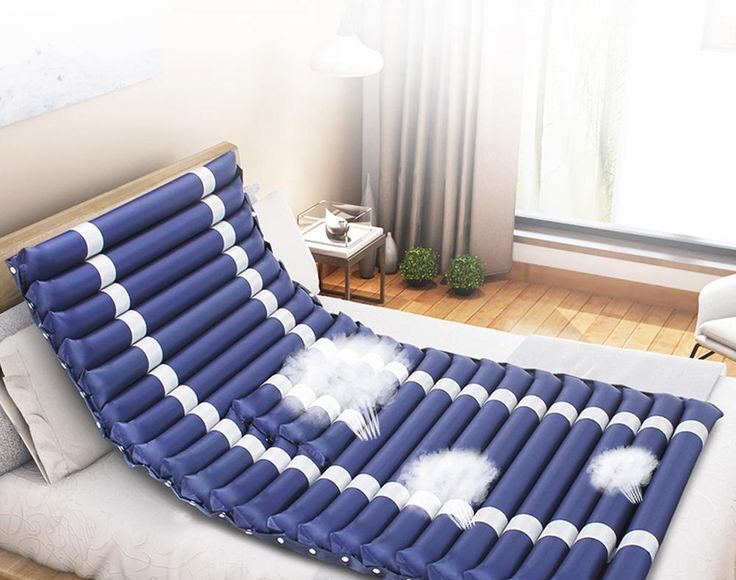

Pressure injuries, often referred to as bedsores or pressure ulcers, can be a serious concern for individuals with limited mobility. These painful wounds develop when constant pressure on the skin reduces blood flow to specific areas, leading to tissue damage. For those who spend long periods in one position—whether due to illness, surgery recovery, or other conditions—the risk of developing these injuries increases significantly.
The need for effective prevention strategies cannot be overstated. While regular repositioning and good hygiene are essential components of care, many people are turning towards innovative solutions like alternating pressure mattresses. But how do these specialized mattresses work? Are they truly effective in preventing pressure injuries? This blog will explore what an alternating pressure mattress is and why it could be a game-changer in the battle against bedsores. Join us as we dive into this essential topic for caregivers and patients alike!
What is an Alternating Pressure Mattress?
An alternating pressure mattress is a specialized type of bedding designed to reduce the risk of pressure injuries. These mattresses feature air-filled cells that inflate and deflate in a rhythmic pattern.
The primary goal is to relieve pressure on vulnerable areas of the body, especially for individuals who spend extended periods lying down. By shifting weight distribution, they help improve blood circulation.
These mattresses can be used in various settings, from hospitals to homes. They often come with adjustable settings tailored to individual comfort levels and medical needs.
With their innovative design, alternating pressure mattresses aim not only to enhance comfort but also contribute significantly to skin health. This makes them an essential tool for those at higher risk of developing sores or ulcers due to immobility.

How Does an Alternating Pressure Mattress Work?
An alternating pressure mattress operates by inflating and deflating air chambers within the mattress. This cycle redistributes weight across different areas of the body, which helps to alleviate pressure points.
As you lie on the mattress, sensors continually monitor your position. The system automatically adjusts air levels in specific chambers based on your movements. When one section is inflated, another deflates, promoting blood circulation and reducing stagnant pressure.
The rhythmic nature of this process not only enhances comfort but also plays a vital role in preventing skin breakdown. By varying contact points with the surface, it minimizes friction—an essential factor in avoiding pressure injuries.
Many models come equipped with customizable settings for firmness and duration of inflation cycles. This adaptability allows users to tailor their experience according to individual needs and preferences for optimal protection against pressure-related complications.
Benefits of Using an Alternating Pressure Mattress for Pressure Injury Prevention
Using an alternating pressure mattress can significantly reduce the risk of pressure injuries. These specialized mattresses promote blood circulation by regularly shifting weight distribution.
This movement alleviates constant pressure on vulnerable areas, like heels and sacrum. By doing so, it helps maintain skin integrity and overall comfort for those who may be bedridden or have limited mobility.
Another benefit is the adjustable settings that allow caregivers to customize firmness based on individual needs. This personalization enhances user experience while ensuring maximum support.
Additionally, these mattresses are often designed to be lightweight and easy to clean. This makes maintenance simpler for both patients and healthcare providers alike.
The combination of comfort, adaptability, and ease of use creates a proactive approach in preventing painful bedsores from developing over time.
Factors to Consider When Choosing an Alternating Pressure Mattress
When selecting an alternating pressure mattress, several factors come into play. First, consider the size and weight capacity of the mattress. It should fit your bed frame properly while accommodating the user’s needs.
Next, look for features that enhance comfort and support. Some mattresses offer adjustable settings for firmness levels or specific body areas, allowing customization based on individual preferences. It’s also essential to check if the mattress has a breathable cover to promote airflow and prevent heat retention.
Durability is another critical factor. A quality mattress should withstand regular use without losing its effectiveness over time. Look at warranties or guarantees as indicators of durability from reputable manufacturers.
If mobility is a concern, portability may be important too. Some models are lightweight and easy to move around, which can be beneficial in home care situations.
Consider budget constraints; prices can vary significantly based on brand and features offered. Investing wisely in this area can yield long-term benefits for health and comfort.
Taking these considerations into account will help you make an informed decision about choosing an alternating pressure mattress that best meets your needs for preventing pressure injuries.