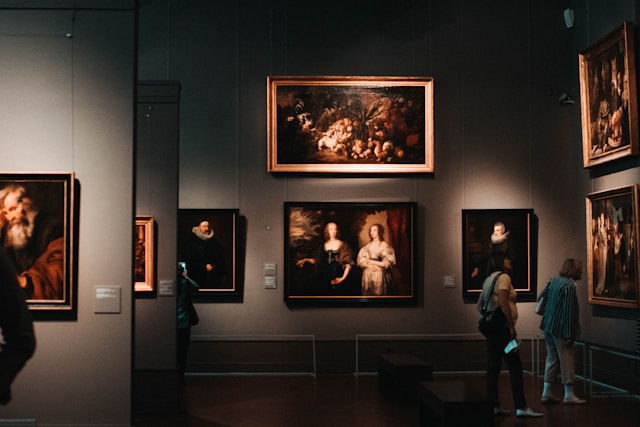

There’s been a quiet shift in the way people find art. Fewer collectors are waiting to be told what matters by the usual gatekeepers. They’re spending more time in smaller, sharper, more self-defined spaces, the kind that feel closer to a scene than a showroom. That helps explain the pull of places like SoHigh Gallery. Independent spaces often feel more alive, less buffered, and far more connected to the work on the walls.
Part of the appeal comes down to atmosphere. A lot of larger art environments can feel polished to the point of distance. Everything is beautifully lit, carefully worded, and slightly overmanaged. Independent exhibitions tend to have more air in them. More character.More risk. You walk in feeling like something is actually happening, not simply being presented.
Collectors want discovery, not just reassurance
Buying art isn’t always about playing safe. Plenty of collectors enjoy the hunt as much as the eventual piece. They want to come across an artist before everyone else starts repeating the name. They want the small thrill of finding work that feels fresh, sharp, or culturally switched on, not merely approved.
Independent spaces are good at that. They usually move faster, back artists earlier, and show work that hasn’t been flattened by broad market consensus. The energy is different. There’s often more experimentation, more edge, and more room for work that doesn’t need to please everyone in the room.
The room feels different when the vision is tighter
Smaller galleries often have a stronger point of view. Not in a heavy-handed way, just in the sense that you can tell someone behind the scenes actually cares about the identity of the programme. The curation feels deliberate. The artists speak to each other. The exhibition has a pulse.
That kind of clarity is attractive to collectors. It gives the work a stronger setting. It also makes the experience of seeing the exhibition more memorable. You’re not walking through a generic white box full of technically competent pieces. You’re entering a space with taste, preferences, and a bit of nerve.
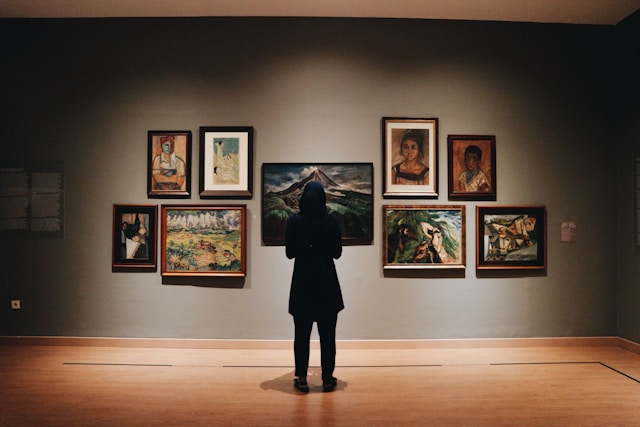
Independent spaces tend to be closer to the culture around them
There’s often less distance between the gallery and the scene it sits inside. Independent spaces are more likely to feel plugged into the local creative community, street culture, younger collectors, emerging artists, and the people shaping taste before it gets turned into a trend report.
Collectors pick up on that. They’re not only buying an object. They’re reading the context around it. Where is this work showing up? Who is backing it? What kind of space is willing to show it? An independent gallery can answer those questions in a way that feels immediate rather than institutional.
People are getting tired of overexplained art
Not every collector wants a wall text that sounds like a thesis abstract. Sometimes they just want to feel something first and think about the rest afterwards. Independent exhibitions often allow for that. The work gets more breathing room. The visitor gets more freedom to respond without being dragged through layers of art-speak before they’ve even looked properly.
That doesn’t mean the work is simpler. It often means the space trusts the audience a bit more. For a lot of collectors, that’s a relief. Art feels more direct when it isn’t constantly being translated on your behalf.
The social side feels less stiff
Openings in independent spaces often draw a different crowd and a different energy. More conversation, less posturing. More artists, younger collectors, people from adjacent creative worlds, and visitors who are there because they genuinely want to be, not because the event sits in their calendar as part of a cultural obligation.
That kind of room can change the way people connect with the work. It makes collecting feel less sealed off. Less like entering a private club with unspoken rules. Plenty of new collectors find smaller spaces easier to approach for exactly that reason.
Collecting has become more personal
A lot of buyers now care less about chasing the “correct” acquisition and more about building a collection that actually reflects their eye. Independent galleries suit that mood. The work often feels less generic, less filtered, and less designed to slide neatly into a broad luxury aesthetic.
Collectors want pieces with some bite to them. Something memorable. Something that says more than “I bought art”. Independent spaces tend to offer that kind of connection more often because they’re willing to show artists with a stronger visual identity or a more distinct voice.
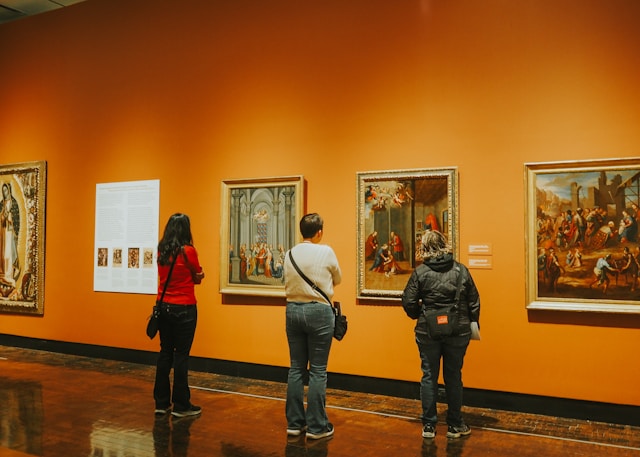
Independent doesn’t mean minor
There’s still a lazy assumption in some circles that smaller spaces are somehow a step down from the established gallery system. That’s outdated. Independent galleries are often where the interesting momentum starts. They’re quicker to spot talent, quicker to respond to shifts in taste, and better at creating exhibitions people actually talk about afterwards.
Collectors know that now. They’re paying attention earlier. They’re looking sideways rather than straight up the traditional ladder.
Art feels better when the setting has some life in it
That might be the heart of it. Independent spaces often feel less processed. Less corporate. Less trapped by the need to look important at all times. The exhibitions have more texture, the conversations feel more real, and the whole experience leaves more of a mark.
For collectors, that makes the work easier to connect with and easier to remember. You’re not only seeing art. You’re seeing it in a setting that still has some blood in it. And for plenty of people buying art now, that’s exactly the point.